
Speyside distillery information
The Speyside Distillery & Bonding Co. was formed in 1955 by whiskymaker George Christie, who bought a stretch of land (the Old Milton Estate) in 1956 that he initially used to build a grain distillery on. In 1962, construction of a Single Malt distillery started, built by hand by Christie himself. Work on the stone building was not finished until 1987, and even then it took until December 1990 before the first distillation commenced.
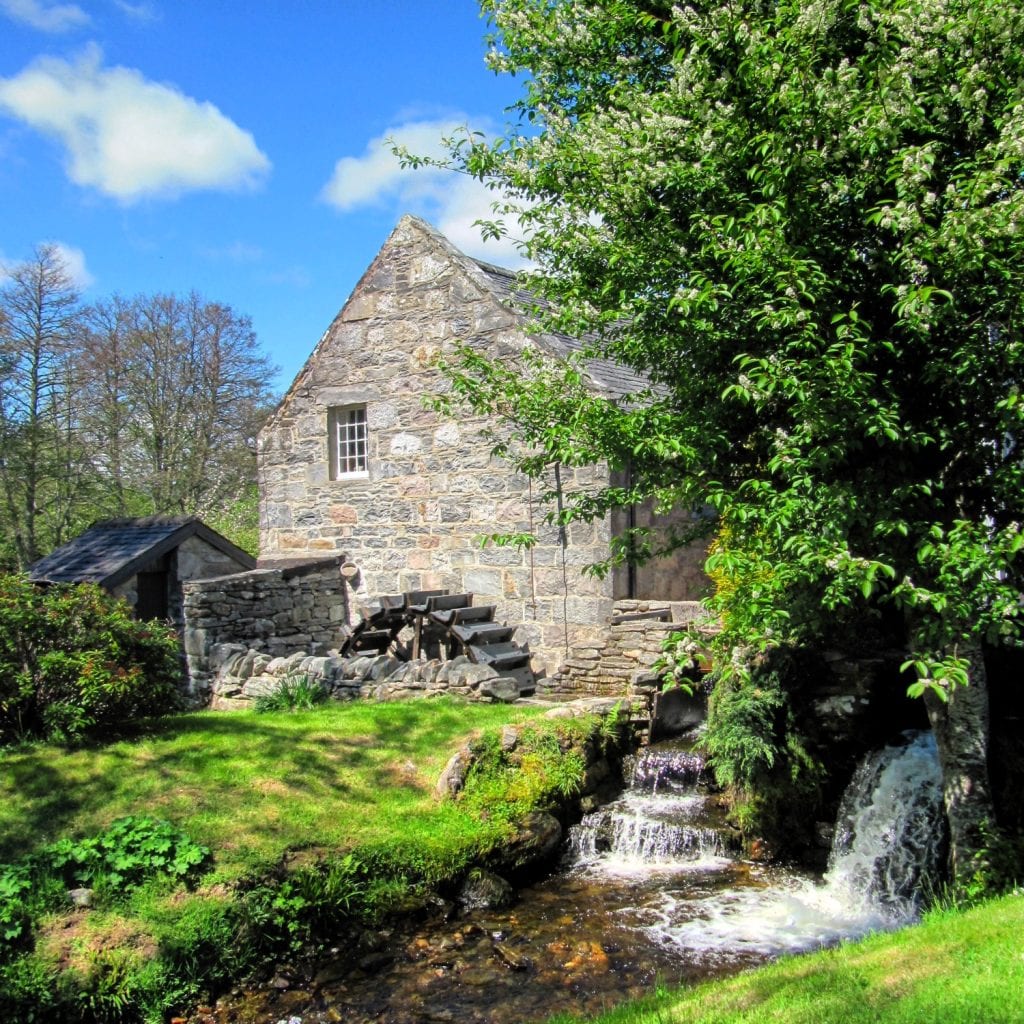
The distillery is located just below the small village of Drumguish in the Speyside region of Scotland, making it the southernmost Speyside distillery, and putting it closer to the source of the River Spey than any other distillery in Scotland. There used to be an older distillery on the same land, operating under the name Drumguish, but it closed in 1911.
Water for the distillery is drawn from the old mill lade which used to run the waterwheel that powered the old mill. The water is used for the distillation as well as cooling in the distillery. The mashtun is a semi-lauter GlenSpey mashtun, and was the last one of its kind produced by Newmill Engineering before they closed down.
Speyside Whiskies
Several different brands are produced at the distillery:
- Củ Dhub
- Drumguish (no age statement)
- Glentromie
- Speyside 10 Year Old (discontinued)
- Speyside 12 Years Old
- Speyside 15 Years Old
The distillery also produced blends:
- Best Seller
- Glen Hood
- Scottish Prince
- Yokozuma
Lastly, they also act as independent bottlers, using the name Scott’s Selection.
Distillery info:
Detail |
Information |
|---|---|
| Name | Speyside |
| Region | Speyside |
| Country | Scotland |
| Logo |  |
| Status | Active |
| Founded | 1962 |
| Water source | River Tromie |
| Malting floor | No |
| Owned by | Speyside Distillery Ltd. |
| Address |
Speyside Distillers Ltd. |
| Visitor centre | No |
| Website | http://www.speysidedistillery.co.uk/ |
| https://twitter.com/SpeySingleMalt | |
| https://www.facebook.com/speysidedistillery | |
| Map |
Distillery Setup:
Component |
Capacity |
Quantity |
|---|---|---|
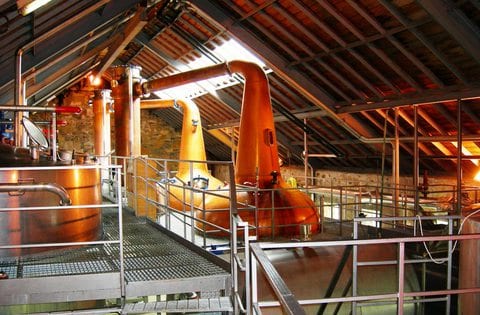
| Mash tun | 4 tonnes | 1 (semi-lauter) |
| Washback | 20,000 litres | 4 |
| Wash still | 13,000 litres | 1 |
| Spirit Still | 7,000 litres | 1 |
| Expected yearly output in LPA (Litres of pure alcohol) | 600,000 |
Frequently Asked Questions
Yes. The distillery is located just below the small village of Drumguish in the Speyside region, making it the southernmost Speyside distillery, and putting it closer to the source of the River Spey than any other distillery in Scotland.
Yes. An older distillery operated on the same land under the name Drumguish, but it closed in 1911. The Speyside Distillery & Bonding Co. was formed decades later, in 1955, by whiskymaker George Christie, who bought the surrounding Old Milton Estate in 1956.
Christie initially used the land to build a grain distillery, before starting construction of a single malt distillery in 1962, which he built by hand himself. Work on the stone building wasn’t finished until 1987, and it took until December 1990 before the first distillation actually took place, close to three decades after construction began.
Water is drawn from the old mill lade that used to run the waterwheel powering the site’s old mill, and is used for both distillation and cooling. The mash tun is a semi-lauter GlenSpey mash tun, the last one of its kind produced by Newmill Engineering before the company closed down.
Cu Dhub is one of the brands produced at Speyside Distillery, alongside Drumguish, a no-age-statement single malt, and Glentromie. The distillery also produces blends including Best Seller, Glen Hood, Scottish Prince and Yokozuma, and acts as an independent bottler under the name Scott’s Selection.
The range has included a 10 Year Old, since discontinued, alongside a 12 Year Old and a 15 Year Old, in addition to the no-age-statement Drumguish and Glentromie expressions.
No, Speyside Distillery does not have a visitor centre.