The Island region is considered by some to be a part of the Highlands, but we chose to classify them separately, as the island whiskies tend to differ quite a bit from the Highland ones.
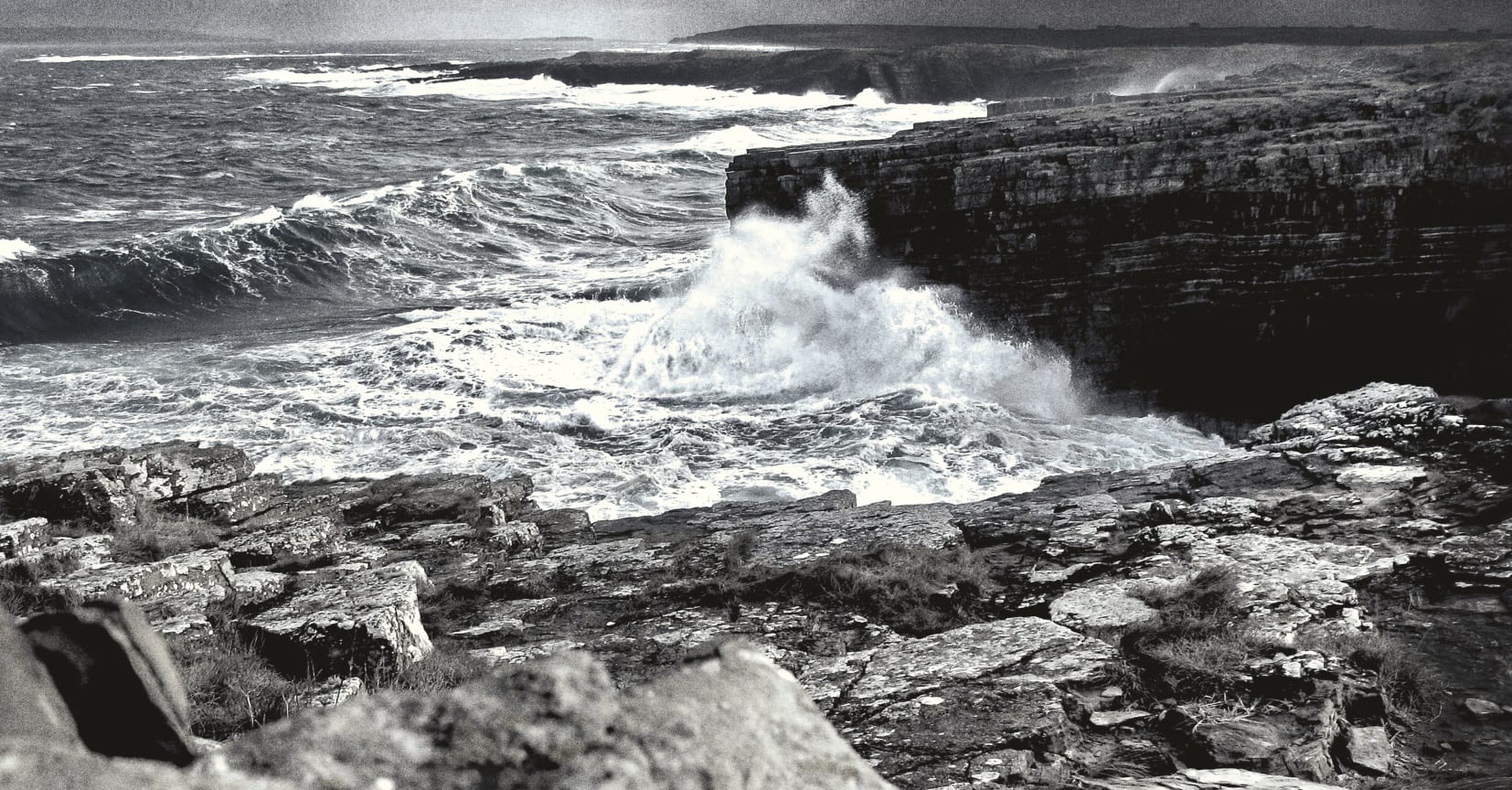
The islands region includes Orkney (home to Highland Park, Scapa, Orkney Distillery and Deerness) and Shetland (home to Lerwick) to the north, the Outer Hebrides (Lewis, Harris, Barra) off Scotland’s north-west coast, and the Inner Hebrides (Skye, home to Talisker and Torabhaig, plus Raasay, Mull, Tiree, Jura and Arran) along the western coast. It excludes Islay, which has its own classification as a whisky region.
Most of these islands sit along the west coast, with Lewis home to the most westerly working whisky distillery in Scotland, and Arran wedged between the Lowlands to the east and the Kintyre peninsula (home to the Campbeltown whisky region) to the west. Orkney and Shetland are the exceptions: Orkney lies north of the mainland, and Shetland further still, closer to Norway than to Edinburgh.
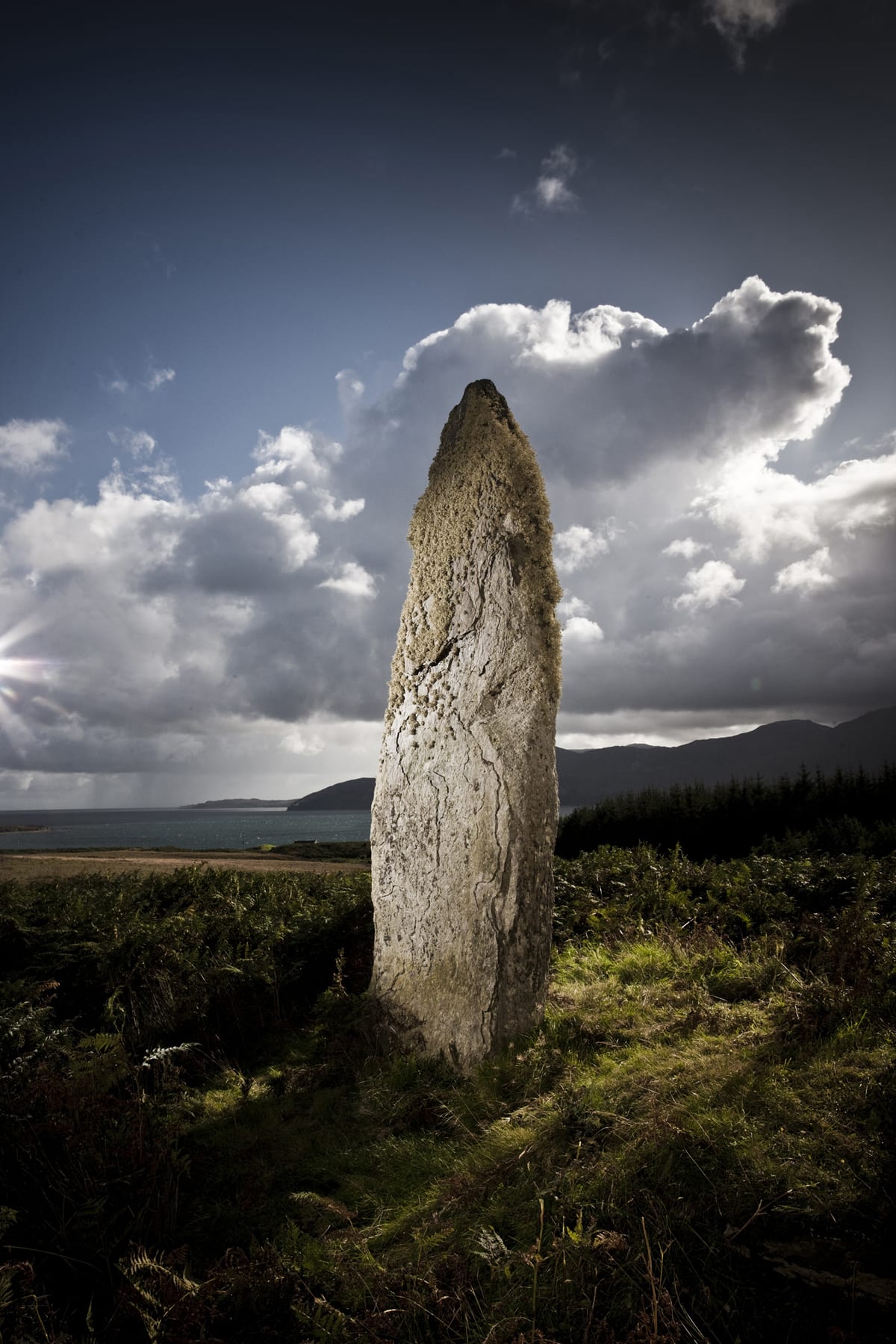
Due to the large geographical spread between the islands on which the distilleries are located, it’s slightly harder to classify an Island whisky, as they certainly are a mixed bag. If anything, Island whiskies tend to be briny, smoky and peaty, though typically less so than their Islay cousins. There certainly are exceptions, though, as for instance, Scapa chooses not to use peated malt, leading to their whisky being exceptionally flowery and honey-ish for an Island whisky. Likewise, Arran mostly is unpeated, and due to the relatively sheltered location of the island, its whisky tends to be more smooth than typical other Islanders.
Not officially a region at all
Unlike Campbeltown, the “Islands” category has no legal standing under the Scotch Whisky Regulations 2009. Only five areas are protected: Highland, Lowland, Speyside, Islay, and Campbeltown. Officially, a whisky from Skye, Orkney, Mull, or Arran is simply a Highland whisky, since the regulations fold every Scottish island (bar Islay, which earned its own protected status) into that single, sprawling category. The “Islands” label you’ll see on bottles and in shops is purely a convention, one the whisky trade adopted because it’s a far more useful way to talk about these whiskies than lumping Talisker in with a Speyside dram just because the rulebook says so. It’s telling that even the industry can’t quite agree: some retailers and writers treat Islands as a region in its own right, while others stick to the letter of the law. Either way, no label can claim “Islands” as a protected term the way it can claim Campbeltown or Islay.
Island distilleries include:
- Abhainn Dearg (Lewis) – A working Isle of Lewis distillery that floor-malts its own barley on site
- Arran (Arran) – The pioneering single malt of the Isle of Arran, distilled beneath golden eagles since 1995
- Deerness Distillery (Orkney) – From gin garden to grain: Deerness Distillery’s new whisky chapter unfolds in the parish that gave it its name
- Highland Park (Orkney)
- Isle of Barra – The island’s first whisky distillery, rising from gin roots on Scotland’s western edge
- Isle of Harris – A social distillery weaving Outer Hebridean community spirit into every batch of The Hearach
- Isle of Raasay – The first legal dram from a Hebridean island steeped in centuries of illicit distilling
- Isle of Tiree – The tiny craft distillery reviving 200 years of whisky-making on Tiree’s Atlantic shore
- Jura (Jura) – home to towering stills, a lightly smoky single malt, and the remote island where George Orwell wrote 1984
- Lagg (Arran) – Arran’s smoky second act. Heavily peated single malt reborn on the site of a distillery silent since 1837
- Lerwick (Shetland) – Shetland’s first whisky distillery, quietly maturing its debut single malt 60° north while the world gets a taste of Haad Still
- North Uist Distillery (Benbecula) – Bere Barley and a Bell That Rings Again
- Orkney Distillery (Orkney) – From award-winning Kirkjuvagr gin to Fara and Rysa – Orkney Distillery’s whisky story is just getting started
- Scapa (Orkney) – Orkney’s honeyed, unpeated single malt, now with a three-strong core range
- Talisker (Skye) – A peppery, maritime single malt distilled on the shores of Skye since 1830
- Tobermory (Mull) – The only distillery on Mull, quietly turning out two completely different single malts from the same stills.
- Torabhaig (Skye) – Skye’s second distillery, coaxing “well-tempered peat” from a restored 19th-century farmstead
Saxa Vord Distillery, on Unst, produces Shetland Reel gin on site and has also sold whisky under the same name, but that whisky has historically been distilled on the Scottish mainland and only bottled in Shetland. As it isn’t distilled locally, it doesn’t have a full profile on this site.