Highland Park distillery information
On the Island of Orkney, in the town of Kirkwall, we find the most northern distillery in Scotland (its close neighbor Scapa lies roughly half a mile more south); Highland Park. Claimed to be founded in 1798 by Magnus Eunson, it takes its name from its location: the “High park” above Kirkwall. In 1826, it was officially licensed. It shifted ownership a few times over the years (including being owned by a priest who insisted on reducing production, as he believed producing whisky contradicted his religious status). It was finally purchased by James Grant (of the Glen Grant distillery), who bought and expanded the distillery in 1895. In 1937 it became property of the Highland Distillers group, which was acquired by the Edrington Group in 1999.
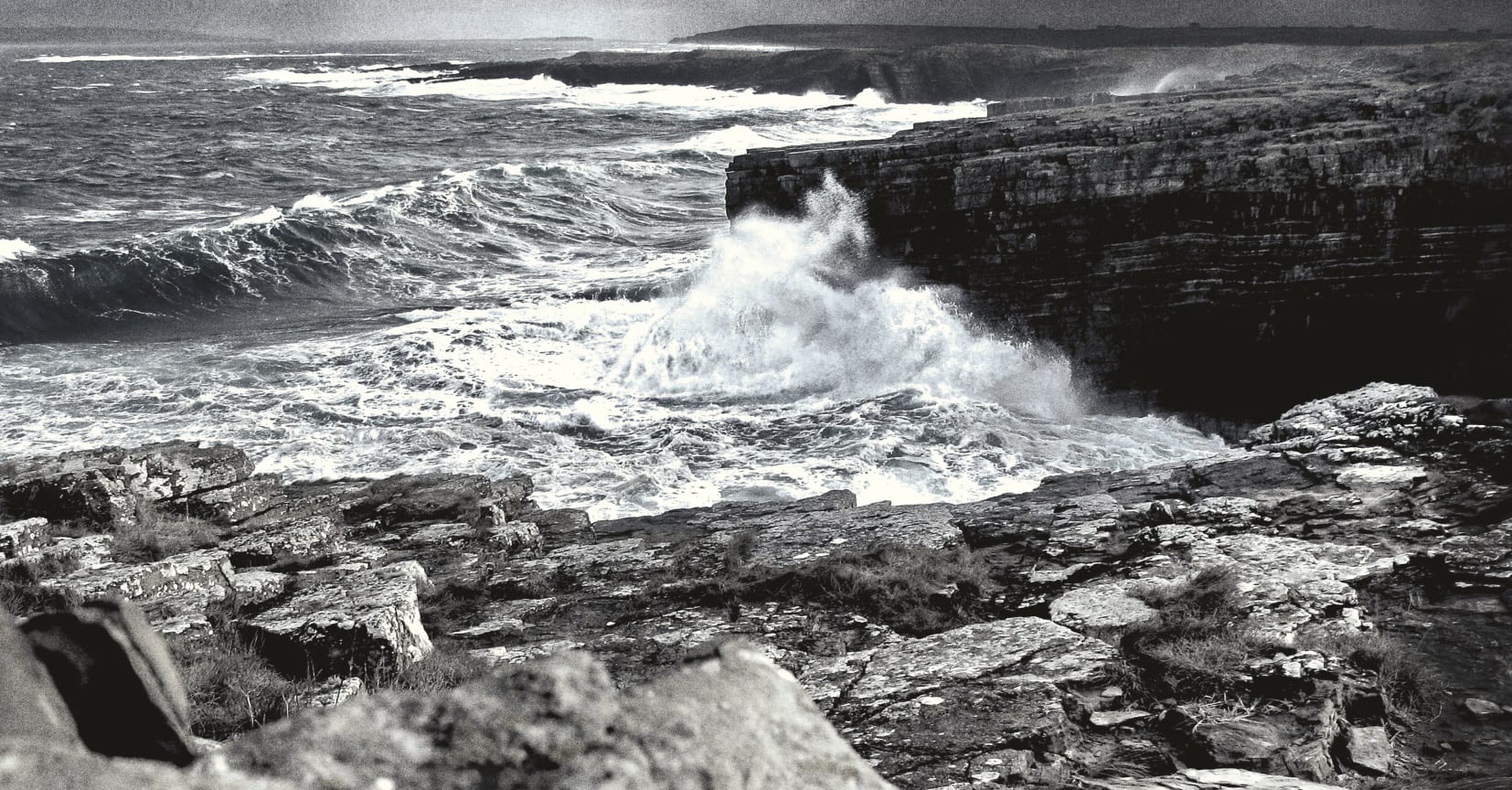
Highland Park prides itself on sticking to traditional methods of producing whisky. It is one of the few remaining distilleries that malt their own barley. The barley is steeped in mineral-rich water, then laid on the malting floor to germinate and is turned by hand. Being a traditional Island whisky, a portion of the malt used is kilned with local peat, particularly rich with heather; this heather is believed to be a major factor in the whisky’s unique taste. For maturation, Highland Park relies on sherry-seasoned oak casks, though it experiments with other cask types for special releases.
In 2025, Highland Park moved away from its long-running Viking branding in favor of packaging inspired by Orkney’s land, sea and sky, though the distillery’s Norse heritage still features in its storytelling and in named releases like the Warriors series.
Highland Park Whiskies
Winners of many international prizes, Highland Park is hailed by many whisky enthusiasts. Its core range, “The Classics,” currently includes:
- 12 Year Old
- 15 Year Old
- 18 Year Old
- 21 Year Old
- 25 Year Old
- 30 Year Old
- 40 Year Old
- 56 Year Old
Current Special Editions (small-batch, produced to showcase particular cask, malt or peat influences, and not re-released once sold out):
- Cask Strength: Heather
- Sherry Skies (19 Year Old)
- Swallows’ Return (Inner Circle exclusive)
- Between You and I by Bjorn Frantzen (16 Year Old)
Travel Exclusives, available in duty-free zones, inspired by Orkney’s nature:
- Light of Orkney (11 Year Old)
- Land of Orkney (14 Year Old)
- Sea of Orkney (16 Year Old)
- Sky of Orkney (18 Year Old)
- Between You and I: Journeys by Bjorn Frantzen (17 Year Old)
Distillery info:
Detail |
Information |
|---|---|
| Name | Highland Park |
| Region | Island |
| Country | Scotland |
| Logo |  |
| Status | Active |
| Founded | 1798/1826 |
| Water source | Cattie Maggie's Pool |
| Malting floor | Yes |
| Owned by | Edrington group |
| Address |
Highland Park Distillery |
| Visitor centre | Yes |
| Website | https://www.highlandparkwhisky.com/en |
| https://www.twitter.com/HighlandPark | |
| https://www.facebook.com/HighlandParkWhisky | |
| https://www.instagram.com/highlandparkofficial | |
| YouTube | https://www.youtube.com/user/HighlandParkWhisky |
| Community | Inner Cirlce |
| Map |
Distillery Setup:
Component |
Capacity |
Quantity |
|---|---|---|
| Mash tun | 8 tonne | 1 ( (semi-lauter)= |
| Washback | 29,200 litres | 12 |
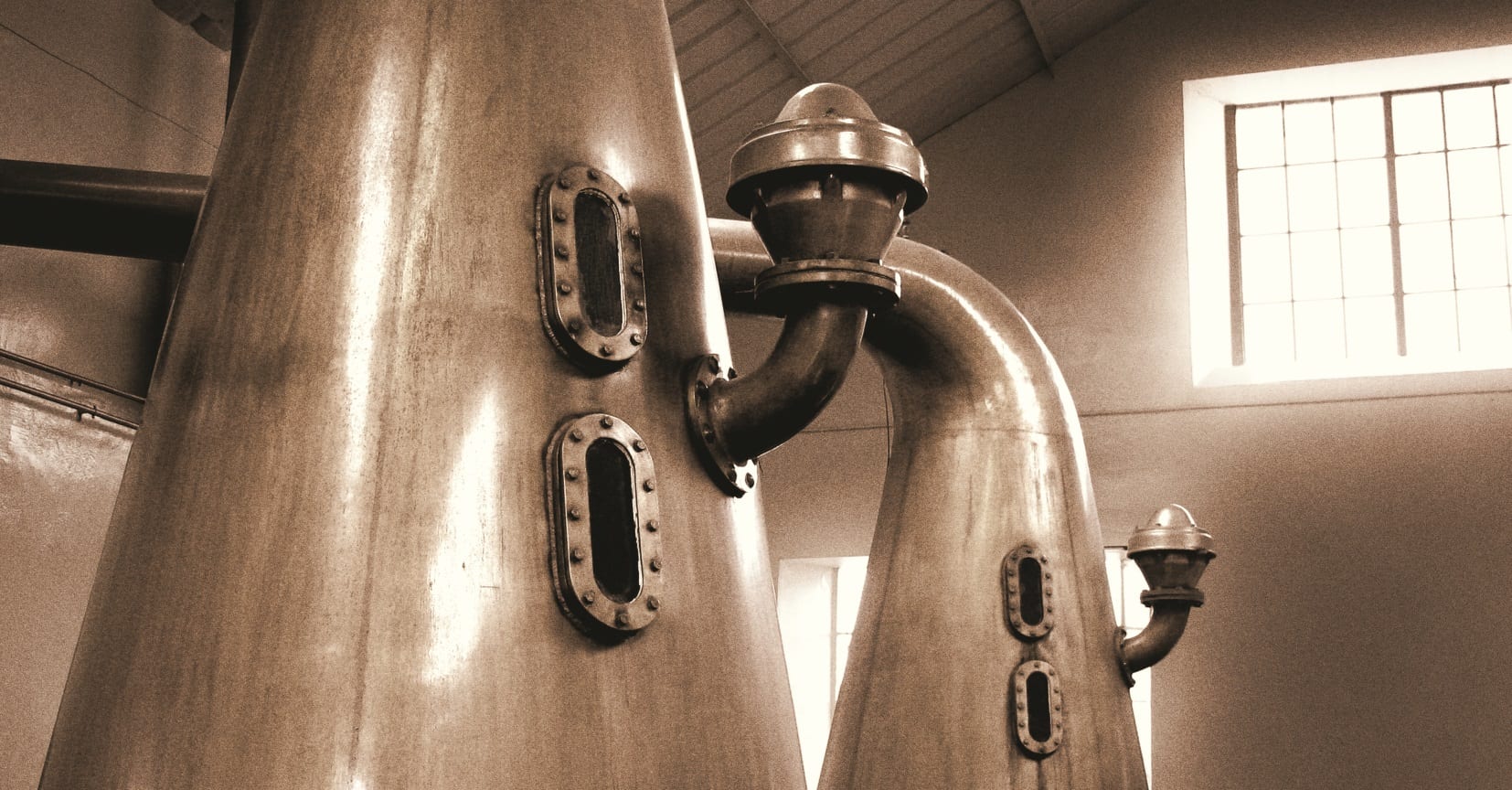
| Wash still | 14,000 litres | 2 |
| Spirit Still | 9,000 litres | 2 |
| Expected yearly output in LPA (Litres of pure alcohol) | 2,500,000 |
Images courtesy of Highland Park
Frequently Asked Questions
Highland Park sits in Kirkwall on the island of Orkney. Its closest neighbour, Scapa, lies roughly half a mile further south.
Highland Park takes its name from its location: the “High Park” above Kirkwall. It’s claimed to have been founded in 1798 by Magnus Eunson, and was officially licensed in 1826.
Yes. The distillery changed hands several times over the years, at one point owned by a priest who insisted on reducing production, believing that making whisky contradicted his religious status.
James Grant, also of the Glen Grant distillery, bought and expanded Highland Park in 1895. It became part of the Highland Distillers group in 1937, which was later acquired by the Edrington Group in 1999.
Yes. Highland Park is one of the few remaining distilleries to malt its own barley. The barley is steeped in mineral-rich water, then laid on the malting floor to germinate and turned by hand. A portion of the malt is kilned using local peat particularly rich in heather, believed to be a major factor behind the whisky’s distinctive taste.
Highland Park relies mainly on sherry-seasoned oak casks for maturation, while experimenting with other cask types for special releases.
Yes. In 2025, Highland Park moved away from its long-running Viking branding in favour of packaging inspired by Orkney’s land, sea and sky, though its Norse heritage still features in its storytelling and in named releases like the Warriors series.
The core range, branded “The Classics”, currently includes a 12, 15, 18, 21, 25, 30, 40 and 56 Year Old.
Yes, Highland Park has a visitor centre.